Blog

  • 5 benefits of neoprene swim vests for kids

    5 benefits of neoprene swim vests for kids

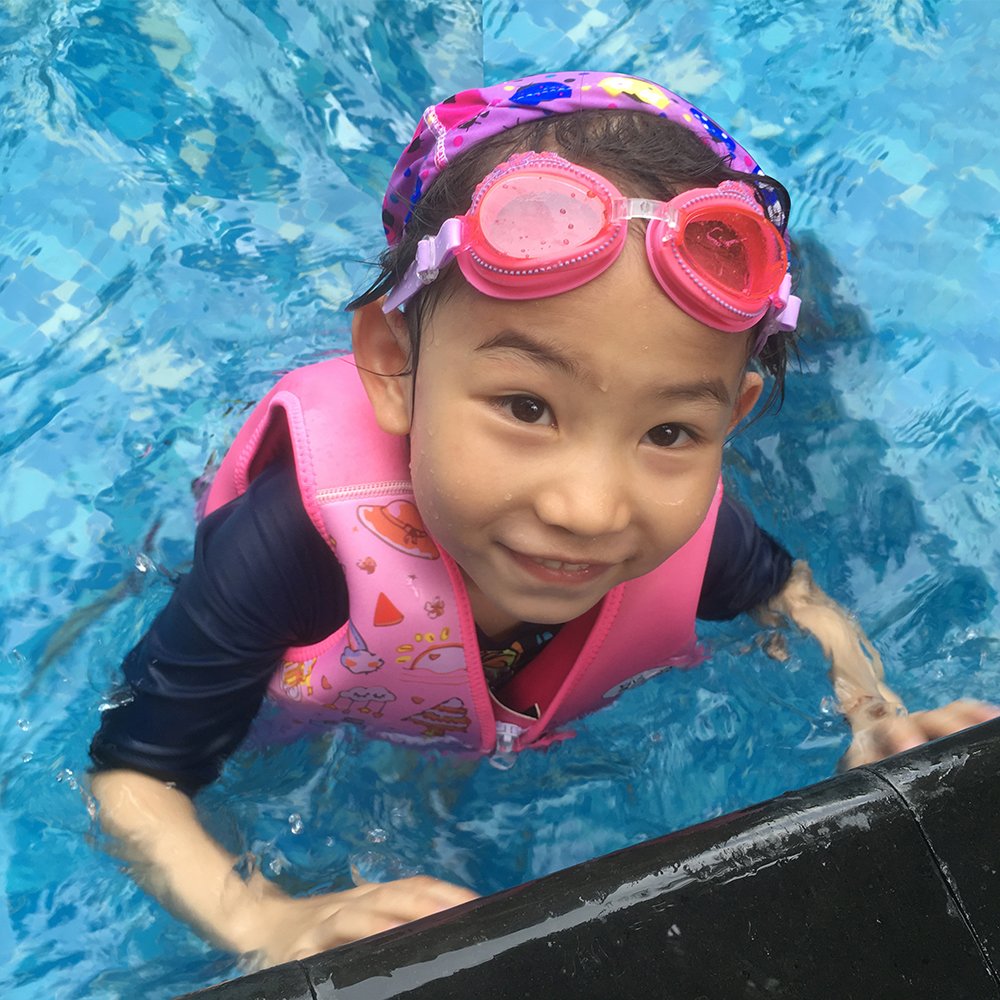
    Swimming is a fun and enjoyable activity for kids, but it’s also important to make sure that they are protected while they are in the water. One way to ensure that your child is safe while swimming is by using a neoprene swim vest. Neoprene swim vests are designed specifically for children, and they offer several benefits over traditional life jackets. Here are 5 benefits of neoprene swim vests for kids:

    • Increased Safety

    • Improved Buoyancy

    • More Comfortable

    • More Stylish

    • Multi-Purpose

    Increased Safety – The top priority for any parent is to keep their child safe, and a neoprene swim vest can help with that. Neoprene swim vests are designed to keep children afloat and prevent them from going underwater. This makes it easier for children to swim and enjoy the water safely, as they will not be in danger of drowning. The vest provides an extra layer of protection, which is important for any child who is still learning to swim.

    Improved Buoyancy – Neoprene swim vests are designed to provide additional buoyancy, making it easier for children to swim and stay afloat. The neoprene material is lightweight, and flexible and provides just enough buoyancy to support a child’s body while they are in the water. This is especially important for children who are still developing their swimming skills and may need a little extra support in the water.

    More Comfortable – Another benefit of neoprene swim vests is that they are more comfortable to wear than traditional life jackets. The soft, flexible material is gentle on a child’s skin, and the adjustable straps and buckles ensure a secure fit. The vests are designed to fit snugly, but not too tightly, to ensure that the child has full range of motion while swimming. This comfort and ease of movement can help children feel more confident in the water.

    More Stylish – Neoprene swim vests come in a variety of fun colours and designs, making them more appealing to kids. They are also designed to have a more stylish and modern look compared to traditional life jackets. This is important for children, who may be more likely to enjoy wearing something that is cool and fashionable. Children who feel confident and comfortable in their swim vests are more likely to have a positive experience in the water.

    Multi-Purpose – Neoprene swim vests are designed to be versatile and can be used for a variety of activities, such as pool diving, snorkelling, and water sports. This versatility makes them a great investment for families, as they can grow with your child and be used for many years to come. The vests are also durable and long-lasting, so you can be sure that they will hold up well against frequent use.

    In conclusion, neoprene swim vests are a great way to protect kids while they are in the water. They offer increased safety, improved buoyancy, a more comfortable fit, and a stylish look, and are versatile for multiple activities. When shopping for a neoprene swim vest, be sure to look for one that is designed specifically for children, with adjustable straps, buckles, and a comfortable fit. Additionally, make sure that the vest is made from high-quality neoprene material and is designed to provide adequate buoyancy for your child’s body type.

  • Why do people need a rash guard?

    Why do people need a rash guard?

    Rash guards are super lightweight and offer a variety of benefits for anyone who wants to be active in the water. Whether you surf, swim, dive, or paddleboard, there’s a rash guard for you!

    What are rash guards?

    The material is usually made of wicking fabric, such as polyester or lycra, which is designed to help keep the wearer warm, dry, and protected from the sun’s harmful rays. Rash guards also provide a layer of insulation from cold water and air. They are generally worn in and around the water, but can also be used for other activities such as yoga, running, or cycling.

    What Does a Rash Guard Do?

    A rash guard is a type of athletic shirt made of spandex, nylon, or polyester. It is designed to protect the wearer from abrasion and sunburn caused by prolonged exposure to the sun, as well as from scrapes and chafing caused by contact sports or other activities. Rash guards also provide protection from stings and bites from jellyfish, sea lice, and other aquatic creatures. In addition, some rash guards are designed to provide UV protection from the sun’s harmful rays.

    Why rash guard is better than t-shirt?

    Rash guards are better than t-shirts because they are made with a special fabric that blocks the sun’s UV rays and provides more excellent protection from the sun. They are also designed to be lightweight and comfortable and provide a snug fit that helps reduce drag in the water. Finally, rash guards are designed to be quick-drying so you can stay comfortable in and out of the water.

    Do Rash Guards Have UV Protection?

    Yes, many rash guards have UV protection. These specifically designed garments are typically made with a material resistant to UV radiation, blocking out the sun’s harmful rays and helping to prevent sunburn. The UV protection rating (UPF) of the rash guard will be displayed on the garment’s tag.

    Benefits of Rash Guards

    Wearing a rash guard every time you hit the water is not a new concept, but it seems like more and more people are discovering the benefits of wearing rash guards. Whether you’re just starting out in the sport and you’re worried about the fit, or you’ve been surfing for a while and you’ve just never considered what a rash guard might do for you in the water, this is the post for you.

    • Sun Protection: A good quality rash guard will protect your skin from the sun’s harmful UV rays.
    • Wind and Sand Protection: Rash guards can also help protect your skin from wind and sand.
    • Sea Protection: If you fall into the water, a rash guard will help protect your skin from cuts and scrapes.
    • Warmth: Rash guards can also help keep you warm in cold water.

    Can Kids Wear Rash Guards?

    Kids can wear rash guards. Rash guards are a popular choice for swimming and other water sports because they provide protection from the sun’s ultraviolet rays, reduce chafing and rashes, and provide some insulation against the cold. Rash guards are available for children of all sizes, so finding one that fits your child should not be a problem.

    Conclusion

    When it comes to finding the best rash guards, you need to look at the factors that will help your body the most. Look for moisture-wicking material for sweat management and UV protection for skin preservation. Rash guards are available in a variety of weights, from lightweight to heavy-duty, so you can choose what works best for your water sport or activity. Most rash guards are unisex with only minor variances (usually fit) between genders. Whether you’re a serious athlete or just getting into some summer fun in the water, rash guard options give you ultimate UV protection and water repellency without sacrificing style.

  • Is a Neoprene Wetsuit Good?

    Is a Neoprene Wetsuit Good?

    In the late 1970s, a number of surfers in Hawaii and Australia, who were already using full body suits for free diving, began using them to free ride waves. In the 1980s, surfers in southern California began using neoprene hooded suits to make their bodies more hydrodynamic. Today, wetsuits are a necessary piece of equipment for surfing in cooler waters.

    What is Wetsuit

    Wetsuits are made of a material that allows water to enter but minimizes the amount of heat lost. The most common material used to make wetsuits is neoprene, which is a type of synthetic rubber. Other materials that are sometimes used to make wetsuits include natural rubber, latex, and polyurethane.

    Why do we need wetsuits?

    The Smithy’s 5/4 Elite is built for those cold-water days when your session could be cut short due to hypothermia, but with features like a neoprene neck seal, a water-resistant chest zip, and a durable knee pad, this wetsuit will help you stay in the water for as long as possible. This suit comes with a high-density neoprene core with a proprietary ultra-stretch neoprene exterior. The neoprene core is a closed-cell neoprene that is infused with limestone to create a neoprene material that is oil-resistant, lightweight, flexible, and durable, while the ultra-stretch neoprene exterior allows you to move more freely without sacrificing warmth.

    Swimming pools and the sea can be quite chilly during the winter. The cooler the water, the more energy, and blood your body needs to pump around to keep warm.

    The more energy and blood your body needs to pump around, the more you get tired. This can lead to hypothermia, which is when your body’s major organs begin to shut down.

    Warm blood needs to circulate around your major organs to keep them warm. Wearing a wetsuit helps. It will stop your body from losing heat and provides you with an extra layer of warmth.

    Wetsuits are made of neoprene, which is a closed-cell foamed synthetic rubber. Not only does it keep you warm, but it also provides maximum buoyancy.

    You can buy wetsuits in different thicknesses, depending on the water temperature. Wetsuits that are one millimetre thick are suitable for water temperatures between 18 and 23 degrees.


    Is a neoprene wetsuit safe for children?

    A neoprene wetsuit is generally safe for children, although it is always important to ensure that the wetsuit fits properly and is not too loose. It is also important to ensure that the child is supervised while wearing the wetsuit and that they are not left unattended.


    What are the benefits of a neoprene wetsuit for children?

    There are a few benefits to neoprene wetsuits for children. One of the main benefits is that it will help keep them warm in the water. Neoprene is a material that is naturally insulating, so it will help to keep your child’s body temperature regulated while they are swimming.

    Another benefit of neoprene wetsuits for children is that they are usually very comfortable to wear. Neoprene is a soft and flexible material, so it will conform to your child’s body shape. This means that they are less likely to experience discomfort while wearing a neoprene wetsuit.

    Finally, neoprene wetsuits for children tend to be very durable. Neoprene is a tough material that can withstand a lot of wear and tear. This means that your child’s neoprene wetsuit should last for many years, even with regular use.


    Are there any risks of a neoprene wetsuit?

    There are no risks associated with wearing a neoprene wetsuit, but there are a few things to keep in mind. First, neoprene is not breathable, so you may feel a little sweaty while wearing it. Second, neoprene can be difficult to put on and take off, so you may want to practice before your first time. Finally, neoprene can be slippery, so be careful when walking on wet surfaces.


    Conclusion

    A wetsuit for children is a neoprene swim vest which is used to keep kids warm and help them overcome their fear of water. The suit provides warmth and will not restrict the movement of your child. A snug fit will also keep the core temperature of your child with a high level of insulation.

  • Is Neoprene Swim Vest Good for Children

    Is Neoprene Swim Vest Good for Children

    There are many different types of swim vests on the market, but one that is becoming increasingly popular is the neoprene swim vest. This type of vest is made from a type of synthetic rubber that is known for its flexibility and resistance to heat, cold, and UV rays. So, what are the benefits of a neoprene swim vest for children? In this blog post, we will explore the benefits of this type of vest to help you make an informed decision about whether or not it is right for your child.


    What is a neoprene swim vest?

    A neoprene swim vest is a type of lifejacket that is made from neoprene, a synthetic rubber material. The vest is designed to provide buoyancy and keep the wearer afloat in water. Neoprene swim vests are often used by children and adults who are not strong swimmers. They can also be worn by people who participate in water sports such as surfing, kayaking, and canoeing.

    Why would you want to use a neoprene swim vest for a child?

    There are a few reasons you might want to use a neoprene swim vest for your child.

    First, it can help them stay warm in the water. This is especially important if they are swimming in cold water or if they have a medical condition that makes them more sensitive to cold temperatures.

    Second, a neoprene swim vest can provide some extra buoyancy for your child. This can be helpful if they are not strong swimmers or if they tire easily when swimming.

    Third, a neoprene swim vest can give you peace of mind knowing that your child has some extra protection while they are in the water. This is especially important if you are swimming in an area with dangerous wildlife or if there is a chance of strong currents.

    Overall, there are many reasons you might want to use a neoprene swim vest for your child. If you are unsure if it is the right choice for them, speak to their doctor or a swim instructor to get some professional advice.


    Is a neoprene swim vest safe for children?

    When it comes to finding the right swim vest for your child, safety is always the top priority. So, is a neoprene swim vest safe for children?

    Yes, neoprene swim vests are safe for children to wear. They are made from a soft, flexible material that will not restrict your child’s movement or breathability in the water. Neoprene swim vests also provide a high level of buoyancy, which can help keep your child afloat and safe in the water.

    If you’re looking for a swim vest that will provide your child with safety and comfort in the water, a neoprene swim vest is a great option.


    What are the benefits of a neoprene swim vest for children?

    There are several benefits of neoprene swim vests for children. Some of them are listed below.

    1. Keeps children safe and secure while swimming: Neoprene swim vests provide a high level of buoyancy, keeping children afloat even if they are not strong swimmers.

    2. Gives parents peace of mind: Parents can relax knowing that their child is safely secured in a neoprene swim vest, rather than worrying about them getting lost or injured in the water.

    3. Ideal for learning to swim: A neoprene swim vest can give children the confidence they need to start learning to swim, as it provides support and helps them to stay afloat.

    4. Allows children to move freely: Unlike some life jackets, which can restrict movement, a neoprene vest allows children a full range of motion so they can enjoy swimming without restriction.

    5. Helps build water confidence: Wearing a neoprene swim vest can help children feel more confident in the water and may encourage them to try new things, such as diving or swimming underwater.

    6. Encourages play and exploration: Children will love splashing around and exploring in the water while wearing their neoprene vest, making swimming even more enjoyable for them.

    7. Provides warmth and protection: Neoprene is a great material for keeping children warm in the water and also protects them from the sun’s harmful UV rays.


    Are there any risks of a neoprene swim vest?

    There are a few potential risks to using a neoprene swim vest on children. The first is that neoprene is a synthetic material, so it is not as breathable as natural materials like cotton. This can cause kids to overheat while wearing the vest, especially in hot weather. Additionally, neoprene is a relatively thick material, so it can be uncomfortable for children to wear for long periods of time. Finally, neoprene swim vests are not always easy to put on and take off, so kids may have difficulty getting in and out of them independently.


    How to measure your child’s size for a neoprene swim vest

    When purchasing a neoprene swim vest for your child, it is important to ensure that you select the correct size. The vest should fit snugly and be comfortable for your child to wear. To determine the proper size, you will need to measure your child’s chest circumference and weight.

    To measure your child’s chest circumference, wrap a measuring tape around the widest part of their chest. Make sure the tape is level and not too tight. Once you have the measurement, refer to the size chart for the specific brand or style of vest you are interested in to find the corresponding size.

    To measure your child’s weight, simply step on a scale holding them in your arms. Make a note of the reading and again consult the size chart to find the recommended vest size.

    Once you have both measurements, it is best to choose the larger of the two sizes to ensure a comfortable and secure fit. If you are still unsure which size to select, feel free to contact customer service for assistance.


    Faqs

    Q: How does a neoprene swim vest work?

    A: The neoprene material used in the construction of the vest provides buoyancy, which helps keep the wearer afloat in the water. Additionally, the vest offers some level of protection from the sun and can help insulate the wearer from cold water temperatures.

    Q: Are neoprene swim vests safe for children?

    A: Yes, neoprene swim vests are safe for children to wear. They are comfortable and can help provide peace of mind to parents and guardians who want their little ones to be safe while enjoying time in the water.

    Q: Where can I purchase a neoprene swim vest?

    A: Neoprene swim vests are available at many retailers that sell swimming and pool supplies. You can also find them online through various retailers or sporting goods websites.


    Conclusion

    After doing some research on the topic, it seems that neoprene swim vests are a good option for children. They are comfortable to wear and provide a good level of buoyancy. They are also relatively affordable, which is always a bonus when it comes to kids’ products. With proper care and use, they can be excellent swimming aid for children of all ages.

  • Are floating Swimsuits Good for Children to Learn to Swim

    Are floating Swimsuits Good for Children to Learn to Swim

    When you think of children learning to swim, you might picture them in little floaties or life jackets. But are floating swimsuits really the best way for children to learn to swim? In this blog post, we will explore the pros and cons of floating swimsuits for children. We will also provide some tips on how to choose the right floating swimsuit for your child and how to use it safely.


    What are floating swimsuits?

    There are many different types of swimsuits for children, but floating swimsuits are a type of swimsuit that is specifically designed to help keep children afloat in the water. Floating swimsuits usually have some type of floatation devices built into them, such as foam pads or inflatable chambers, which help to keep the child’s head and body above water.

    This can be especially helpful for young children who are still learning how to swim, as it can give them the confidence they need to stay afloat and enjoy the water. Floating swimsuits can also be a good option for older children who may tire easily when swimming or for those who simply want an extra level of safety while in the water.


    Are they good for children to learn to swim?

    There are a few things to consider when answering this question.

    First, floating swimsuits are designed to provide buoyancy and help keep swimmers afloat. This can be beneficial for children who are just learning to swim, as it can give them the confidence they need to stay afloat and continue swimming.

    Second, floating swimsuits can help children learn proper swimming techniques by providing resistance against the water. However, it is important to note that not all floating swimsuits are created equal. Some may be more bulky and difficult to move in than others, which can make it more difficult for children to learn how to swim properly.

    Additionally, some floating swimsuits may not provide enough buoyancy for heavier children or those with larger body types. In these cases, it is best to consult with a swimming instructor or coach before purchase to ensure that the suit will be beneficial for your child’s learning process.


    Is it a good idea to wear one?

    Yes, floating swimsuits are a good idea for children to wear when learning to swim. They provide extra buoyancy and support, which can help children feel more comfortable in the water. Floating swimsuits also help protect against sun exposure and can provide a little bit of warmth in cooler water temperatures.


    How Do floating swimsuits Work?

    Floating swimsuits are designed to help children float in the water while they are learning to swim. The floatation devices are usually built into the suit and can be either inflatable or non-inflatable.

    Most floating swimsuits have a foam core that helps to keep the child afloat. The foam is often surrounded by an outer layer of fabric, which helps to keep the child’s body heat in and also provides some protection from the sun.

    Inflatable floatation devices are usually filled with air, but some models may also be filled with water. These types of floats can be adjusted to provide more or less buoyancy as needed.

    Non-inflatable floats are usually made from closed-cell foam, which means they will not absorb water and will not become heavier when wet. This type of floatation device is often used for children who are just starting to learn to swim because it is easy to adjust the level of buoyancy.


    Types of floating swimsuits?

    There are a variety of swimsuits that can be classified as floating swimsuits. Some of these include:

    2. Buoyancy Shorts: These shorts feature special panels or padding that help to increase buoyancy in the water. They are often worn by lifeguards or other rescue personnel who need to be able to float easily in the water.

    3. Foam Swimsuits: These suits are made from closed-cell foam, which is very lightweight and helps the wearer to float in the water. Foam swimsuits are often used by beginner swimmers or those who want extra buoyancy while swimming.

    4. Neoprene Swimsuits: Neoprene is a synthetic rubber material that is commonly used in wetsuits. It is also used in some floating swimsuits because it provides good insulation and helps the wearer to float in the water.


    How do I know if my child is ready for a swimming lesson?

    If your child is comfortable in the water and can follow basic instructions, they are likely ready for a swimming lesson. If you are unsure, you can always speak to a qualified swim instructor to assess your child’s abilities.

    Most children are ready for swim lessons by around age 4. However, every child is different, and some may not be ready until age 5 or 6. There is no rush to get your child into swimming lessons; it is more important that they are comfortable and confident in the water before starting lessons.


    Safety regulations of a floating swimsuit

    Floating swimsuits are a great way for children to learn to swim. They help keep them safe and comfortable in the water while they learn the skills they need to be safe swimmers. Here are some things to keep in mind when using a floating swimsuit with your child:

    • Make sure the suit fits properly. It should be snug but not too tight.
    • Check the labeling on the suit to make sure it is appropriate for your child’s age and weight.
    • Follow the manufacturer’s instructions for use.
    • Be sure to supervise your child at all times while they are wearing the suit and using it in the water.


    Benefits of Swimming with a Floating Swimsuit

    1. Swimming with a floating swimsuit gives you more buoyancy in the water, which can help you stay afloat and avoid getting tired as quickly.

    2. Floating swimsuits also provide more sun protection than traditional bathing suits since they cover more of your body.

    3. They can also help you stay warmer in the water by trapping heat close to your body.

    4. Floating swimsuits are often made from quick-drying materials, so you can avoid feeling wet and cold after getting out of the water.

    5. Wearing a floating swimsuit can also help you move through the water more easily and with less effort since they reduce drag on your body.

    6. Floating swimsuits are often brightly colored or patterned, which can help you be more visible in the water and prevent accidents.

    7. They can also make swimming and playing in the water more fun for kids since they’ll look like they’re wearing a costume!

    8. Some styles of floating swimsuits even have built-in flotation devices, which can provide extra support if you’re struggling to stay afloat or need assistance in an emergency situation.


    Faqs

    Q: Are floating swimsuits good for children to learn to swim?

    A: Yes, floating swimsuits are great for children to learn to swim. They help keep kids buoyant and provide a little bit of support while they are learning.

    Q: How long should my child wear a floating swimsuit?

    A: Your child can wear a floating swimsuit for as long as they need to. Some kids may only need it for a few days or weeks, while others may need it for months or even years. There is no rush to take the floaties off – let your child use them for as long as they feel comfortable.

    Q: My child doesn’t seem interested in swimming. Is there something wrong?

    A: Not necessarily. Some kids take longer to warm up to the idea of swimming than others. Just keep offering encouragement and opportunities to get in the water, and eventually, they may come around.

    Q: What if my child doesn’t want to wear a floating swimsuit anymore?

    A: If your child is no longer interested in wearing a floating swimsuit, that’s okay. They may be ready to move on to swimming without any assistance. You can also try removing the floaties and just letting them wear the swimsuit on their own.

    Final Verdict

    In conclusion, floating swimsuits are a great way for children to learn to swim. They provide buoyancy and support while allowing the child to move freely in the water. This gives them a sense of confidence and independence, which is essential for learning to swim. Floating swimsuits also protect against sun exposure and can be easily removed when wet, making them ideal for swimming lessons and pool days alike.

  • Why choose a kids and baby swimming wetsuit

    Why choose a kids and baby swimming wetsuit

    Swimming is one of the best exercises for kids and babies, but it can be dangerous if done incorrectly. That’s why Kids & Baby Swimming Wetsuit was created; to make swimming safer for everyone. Our swimsuits are designed with a snug fit to keep your child safe and comfortable during their swimming experience. Plus, our materials are chlorine-free and resistant to tears, so you can be sure that your child is getting the best possible care while they swim. If you want to make swimming safer for your little one, choose Kids & Baby Swimming Wetsuit as their go-to choice.

    Why choose a kids and baby swimming wetsuit

    A swimming wetsuit is an essential piece of equipment for kids and babies swimming. There are many reasons to choose kids and baby swimming wetsuits. A wetsuit will keep your child warm in the water, which is important for both safety and comfort. Wetsuits also provide UV protection from the sun, which is important for young children who are more susceptible to sunburn. In addition, wetsuits help children float and swim better by providing buoyancy.

    One of the most important reasons to choose a kid and baby swimming wetsuit is safety. Cold water can be dangerous for young children, and a wetsuit will help keep them warm.

    Wetsuits also provide extra floatation, which can be lifesaving if a child were to fall into deep water.

    Another reason to choose a kid’s and baby swimming wetsuit is comfort. Wearing a wetsuit can make swimming more comfortable for your child by keeping them warm.

    Moreover, the added buoyancy provided by a wetsuit can make it easier for your child to swim and play in the water.

    Finally, wetsuits also provide UV protection from the sun. This is especially important for young children who are more susceptible to sunburns. By choosing a kids and baby swimming wet.

    Which type is best for kids and babies?

    Parents often ask which type of wet swimming suit is best for kids and babies. The answer depends on the size and age of your child.

    If your baby or toddler is still too small for a proper adult-sized swimsuit, then choose a children’s swimsuit that fits snugly but comfortably. These suits have a limited range of sizes, so they will not fit as well as adult swimsuits.

    For toddlers and preschoolers, choose an appropriately sized swimsuit that fits well but isn’t too tight or uncomfortable. Swimming in these suits can be more fun because they are able to move more freely and have more confidence in their abilities.

    For school-aged children, select a suit that is slightly larger than what they typically wear so it will be comfortable but won’t be too loose or baggy. For adults, this would be considered a “swim trunks” style garment.

    What to consider before buying

    When choosing a wet swimming suit for your child, it is important to consider their size and age.

    To find the right size for your child, measure them from the chest to the ankles and compare that measurement to the sizing chart.

    For children aged 3-8 years old:

    • The chest measurement should be less than 34 inches,
    • Waist circumference should be less than 25 inches,
    • Ankle circumference should be less than 8 inches.

    For children aged 9-12 years old:

    • The chest measurement should be less than 37 inches,
    • Waist circumference should be less than 27 inches,
    • Ankle circumference should be less than 9 inches.

    Benefits of a Kids & Baby Swimming Wetsuit

    • A kids & baby swimming wetsuit helps to keep your child warm in the water, which is essential for their safety and comfort.
    • The extra layer of warmth also provides added buoyancy, which can be helpful for less experienced swimmers.
    • Wetsuits help to protect your child’s skin from the sun’s harmful rays, as well as from stings and scratches from sand or rocks.
    • They also provide a level of protection in case of accidental falls into the water.

    Tips for using the Kids & Baby Swimming Wetsuit

    There are a few things to keep in mind when choosing the best swimming wet suit for your little one.

    First, make sure the suit fits snugly and covers all the necessary areas.

    Second, choose a suit made from materials that are both resistant to chlorine and water and lightweight so your child can move easily while wearing it.

    Finally, be sure to read the product instructions carefully before using the wet suit; there may be specific steps you need to take in order to ensure its safe use.

    Here are a few additional tips for using Kid’s & Baby Swimming Wetsuits:

    • Always supervise your child while they’re wearing their wet suit; never leave them unsupervised in any pool or swimming area.
    • Always use caution when entering and exiting pools; do not enter if you have any cold or flu symptoms.
    • If your child experiences discomfort or feels like they lose too much body heat while wearing their wet suit, immediately remove it and towel dry them off.
    • Avoid soaking suits; instead, let them dry completely after each swim.


    FAQs

    1. Why is it important to have a swimming wetsuit for kids and babies?

    A swimming wetsuit helps keep your child warm in the water and protects them from sun exposure. It also provides buoyancy, which can help your child swim better and safer.

    2. What are the benefits of wearing a kids’ swimming wetsuit?

    Wearing a kids’ swimming wetsuit can help your child stay warm in the water, even in cooler temperatures. It also offers protection from the sun’s harmful rays and can provide extra buoyancy to assist with swimming.

    3. How does a kids’ swimming wetsuit differ from an adult’s?

    Kids’ swimming wetsuits are designed to fit snugly around the body and limbs, providing warmth and protection without restricting movement. They often have brightly-colored designs or patterns to make them more fun to wear. Adult swimsuits typically don’t offer as much insulation or coverage as kids’ suits do.

    4. What should I look for when purchasing a kids’ swimming wetsuit?

    When shopping for a kids’ swimsuit, look for one that is made of high-quality neoprene material and has a snug fit. Some features to look for in a kids’ swimming wetsuit include reflective materials, UV protection, and a comfortable fit.

    5. Is it okay to swim in a kids’ swimming wetsuit if it’s not hot outside?

    Yes, you can swim in a kids’ swimming wetsuit even when it’s not warm outside. The neoprene material will help keep your child warm, and the reflective materials will help them stay visible in the water.

    6. Can I dunk my kids in the pool in a kids’ swimming wetsuit?

    No, you should never dunk your kids in the pool in a kids’ swimming wetsuit. The neoprene material can tear easily, and the reflective materials may not be effective if it’s dark out.

    7. What should I do if my kids get wet in a kids’ swimming wetsuit?

    If your kids get wet in a kids’ swimming wetsuit, remove the suit and let it air dry. Don’t put it in the dryer, as this can damage the material.

    8. How long will a kids’ swimming wetsuit last?

    The life expectancy of a kids’ swimming wetsuit depends on the quality of the material and how it is used. Generally, a kids’ swimming wetsuit will last for several seasons.

    Conclusion

    When it comes to swimming, there are a few things you need to keep in mind. One of those things is the importance of protecting your child’s skin from the sun and chlorine. That’s why we’ve put together this guide to help you choose the right swimming wet suit for your little one. We walked you through everything you need to know about choosing a kids & baby swim wet suit, including size specifications and what materials are used in these suits. Don’t wait any longer – get yourself a kids & baby swim wet suit today!

  • Neoprene material for swim vest

    Neoprene material for swim vest

    What’s the neoprene?

    Neoprene is a type of polymer. A polymer is a large molecule composed of repeating structural units. It is produced by the polymerization of chloroprene. The chloroprene binds all the molecules of the chemical reaction which creates polychloroprene chips. The chips are then melted and then mixed with various foaming agents and carbon pigments. This mixture is then baked until it expands.

    Can Neoprene Be Recycled?


    There are companies and waste management firms that recycle neoprene or items made of neoprene such as wetsuits. Neoprene is often chopped up or blended with other synthetic rubbers to create new materials. One of these materials is called resurrection rubber. This material is a combination of chopped neoprene and rubber. This new material, resurrection rubber, is used to make shoe soles.

    Another way that neoprene can be recycled is by donating wetsuits to several different companies that specialize in recycling the material. Wetsuits can be recycled into yoga mats, laptop cases, medical bandages, athletic shoe insoles, gloves, boots, doormats, and automotive pads.

    Neoprene can also be recycled into sheets of rubber or even fabric. The fabric is sold by the yard and can be cut and sewn.

    Neoprene can be recycled at home as well. If you have a sewing machine with the right needle, then you can create beer koozie, dog bed, mouse pad, or oven mitts. There are many ways to donate or recycle neoprene, so it does not end up in a landfill.

    Does Neoprene Float?

    The amount of air inside neoprene will decide how much water can penetrate into it. The more air neoprene contains, then the less water can soak into it. When limestone neoprene is produced it is manufactured by added nitrogen. The added nitrogen increases the insulation and also increases the overall buoyancy because the cells do not absorb water. The traditional oil-based neoprene has lower cell penetration and liquid base, which means it has less air and allows more water to soak into it.

    Is neoprene sate for children?

    Neoprene is 100% safe for babies, because it:

    • is soft to the touch, so won’t chafe
    • provides insulation to keep them warm during swimtime
    • is naturally buoyant

    Neoprene’s popularity comes from its many benefits to swimmers.

  • PVC foam VS EPE foam

    PVC foam VS EPE foam

    PVC foam

    PVC foam is soft and flexible mid-density closed cell rubber foam which is naturally excellent at thermal insulation, sound deadening and flame retardance, and shock & impact absorbing. Due to its closed-cell construction, PVC foam is also an ideal sealing and gasket material against moisture, gas, or liquid. PVC foam can be available for a wide range of applications including HVAC seals and gasket, duct liner and wrap, roofing insulation, wall sound absorption, foam yoga mat, general sealing, and insulation purposes for automotive and construction industries, etc.

    Properties:

    Flexible and lightweight

    High thermal efficiency

    High thermal efficiency

    Sound absorption properties

    High water vapor diffusion resistance

    Resistance to oil and grease

    Benefits:

    • Strong thermal and acoustic insulator
    • Perfect water and moisture barrier
    • Excellent shock and impact cushioning
    • Versatile for various of applications and usage
    • Available for adhesive backing and foils

    EPE Foam

    EPE foam is lightweight, flexible, and highly resilient, which is an ideal foam material for protective cushioning and general packaging usage. As an economical closed-cell foam, our EPE foam is quite popular to use for various moisture resistance and heat & thermal insulation required applications. You could easily find them in basic foam packaging, floor underlay, furniture edge protection, and water flotation, etc.

    Properties:

    • Non-crosslinked closed cell
    • Uniform cell structure
    • Flexible and lightweight
    • Non-abrasive and non-corrosive
    • High resilience
    • Abrasion resistance
    • Thermal insulation
    • Good buoyance

    Benefits:

    • Moisture and weather resistant
    • Impact and shock absorption
    • Recyclable and environment-friendly
    • Easy to fabricate
    • Superior compressive strength
    • Highly resistant to oil and most chemicals
  • What is a swim vest?

    What is a swim vest?

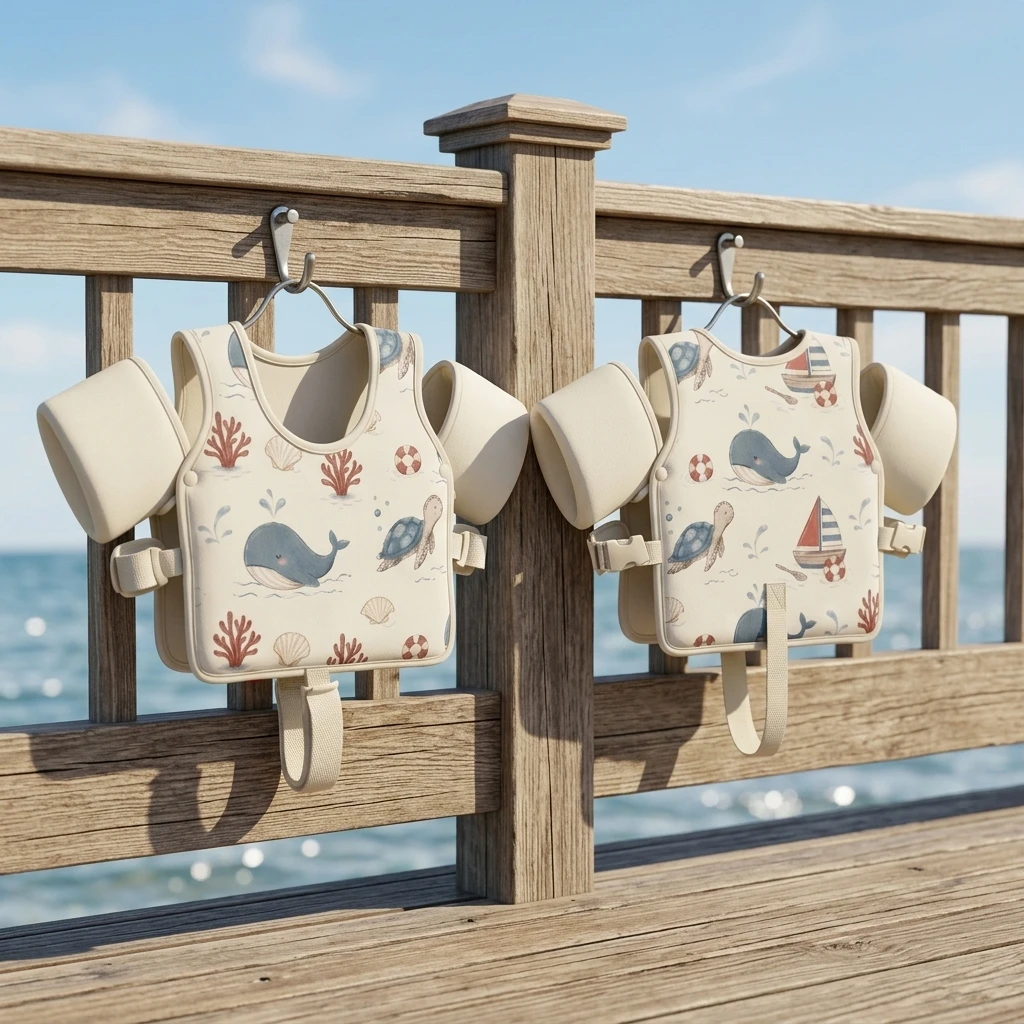
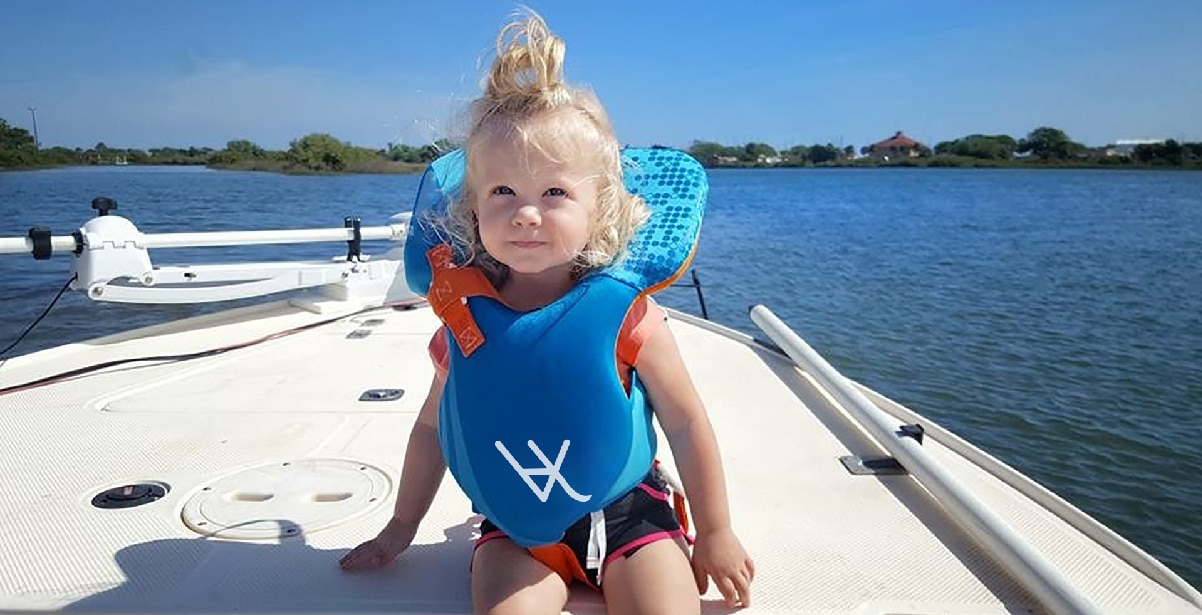
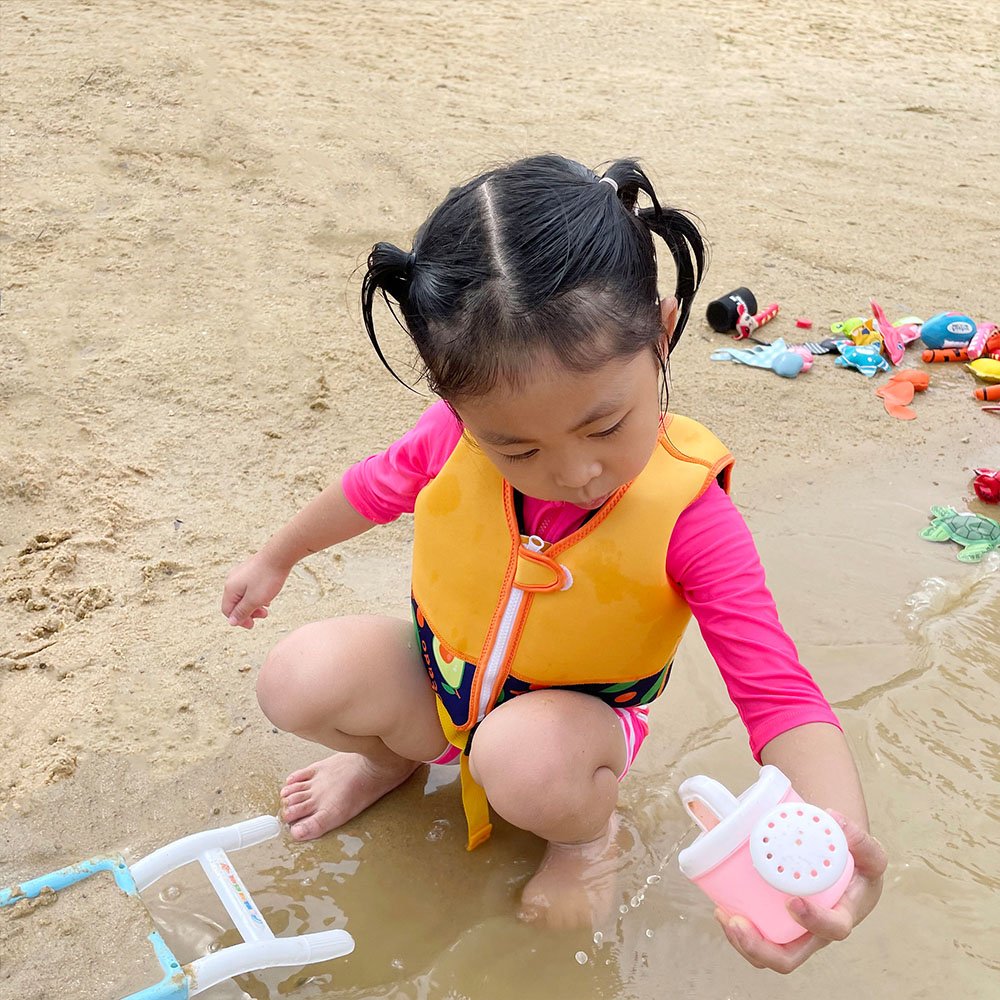
    Swim vests come in several sizes and are normally constructed of a neoprene material to help with both buoyancy and warmth. The vest normally zips up the front and often has a strap that goes between the legs and buckles to the vest to keep it securely on your child.

    These vests are great for children learning to swim with close adult supervision. They can help give your child confidence in the water without being cumbersome or uncomfortable.

    No matter your situation, it’s important to teach your children the importance of water safety before you even set foot in a pool or lake. This knowledge combined with the appropriate flotation device might just save their life.

    Also, parents should never count on a life jacket or other PFD but should always be present and observant while children are swimming.

    Water activities can be a great summer family activity, but always remember your flotation devices, and help your children have a fun and safe summer.

  • What is a Puddle Jumper?

    What is a Puddle Jumper?

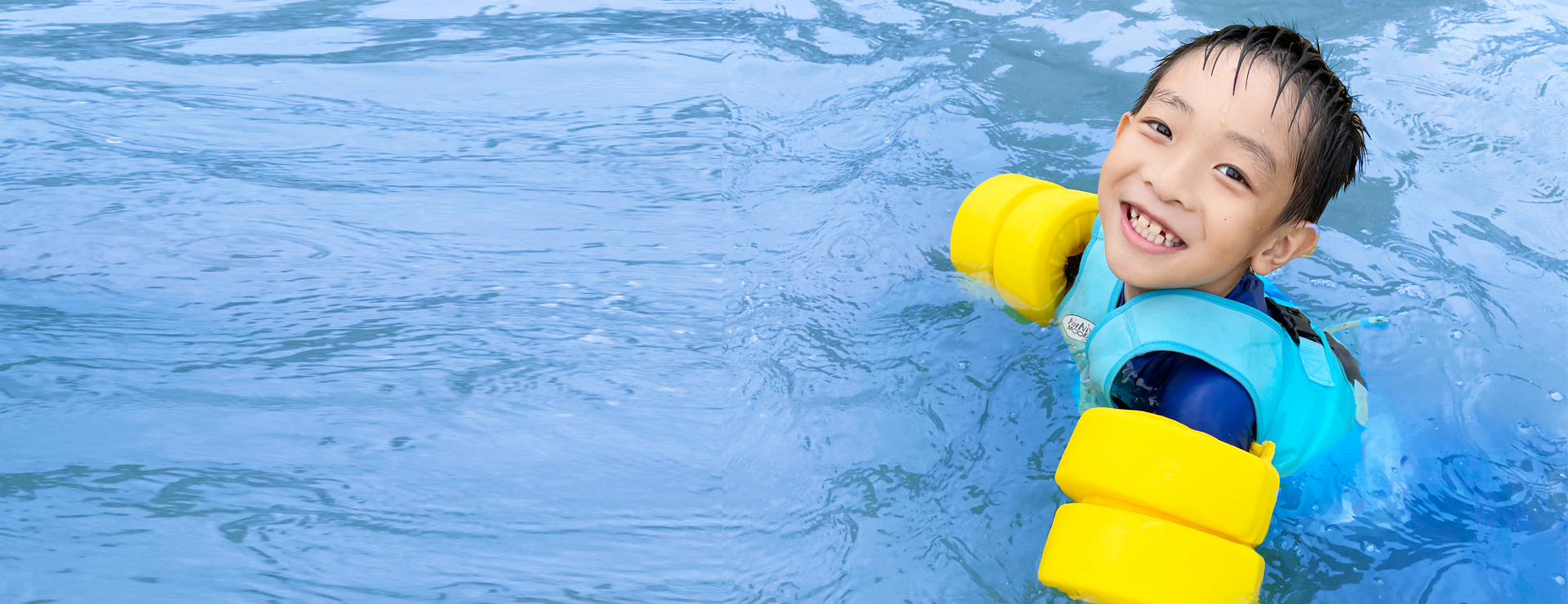
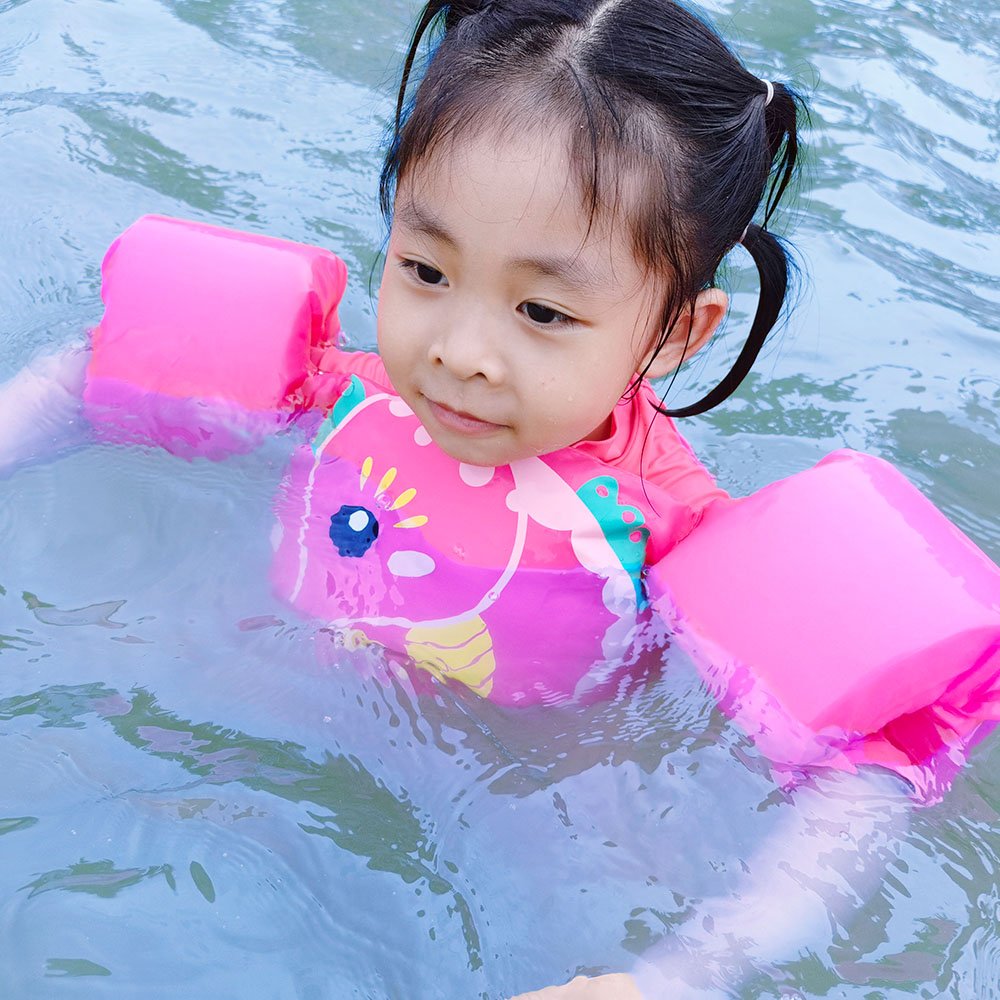
    Based off the old school “arm floaties”, it improves on the design by attaching the floaties to a mini vest which straps around the child’s chest to keep it secure.

    It’s designed for small children, most often between 30 and 50 pounds, and constructed of a comfortable material that prevents chafing and makes it easy for your child to wear.

    Puddle Jumpers keep both the chest and arms afloat which helps promote a natural swimming position. Your child slips his or her arms through the arm floats of the puddle jumper, and then it is buckled behind the back to secure it.

    Puddle jumpers are approved by the Coast Guard and are considered a type III personal flotation device. The recently introduced Body Glove Puddle Pals line looks to improve on the Puddle Jumper design by adding a shoulder harness to keep the swim aid in place even better.

    Time will tell which design will prove to be more popular but it’ll be hard to catch up with the huge head start the Stearns Puddle Jumper has.